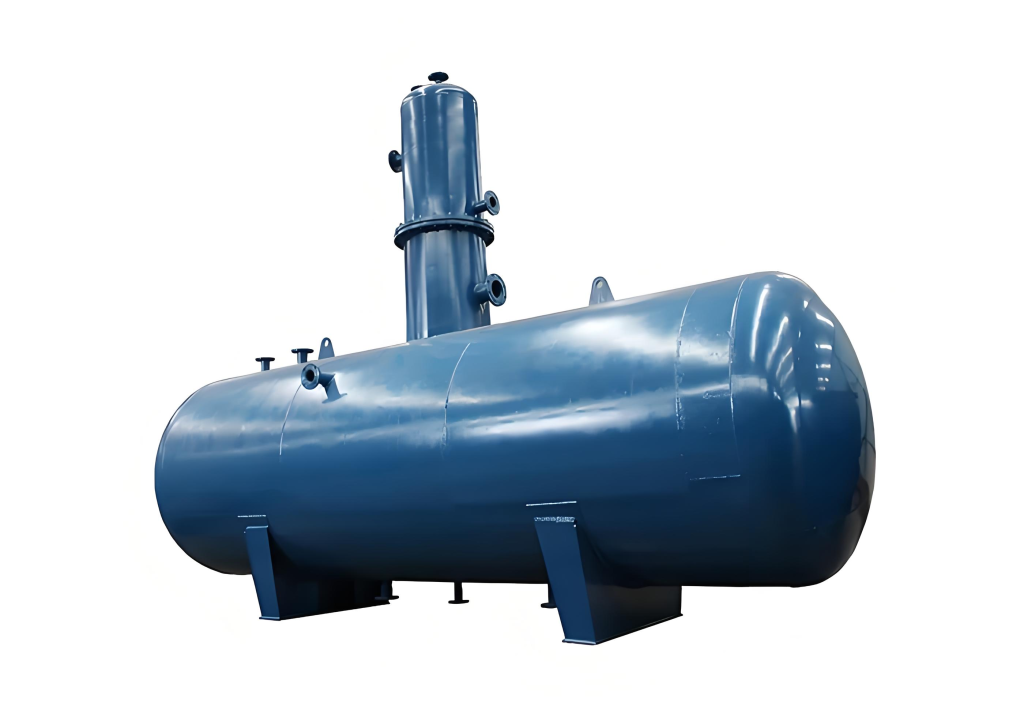
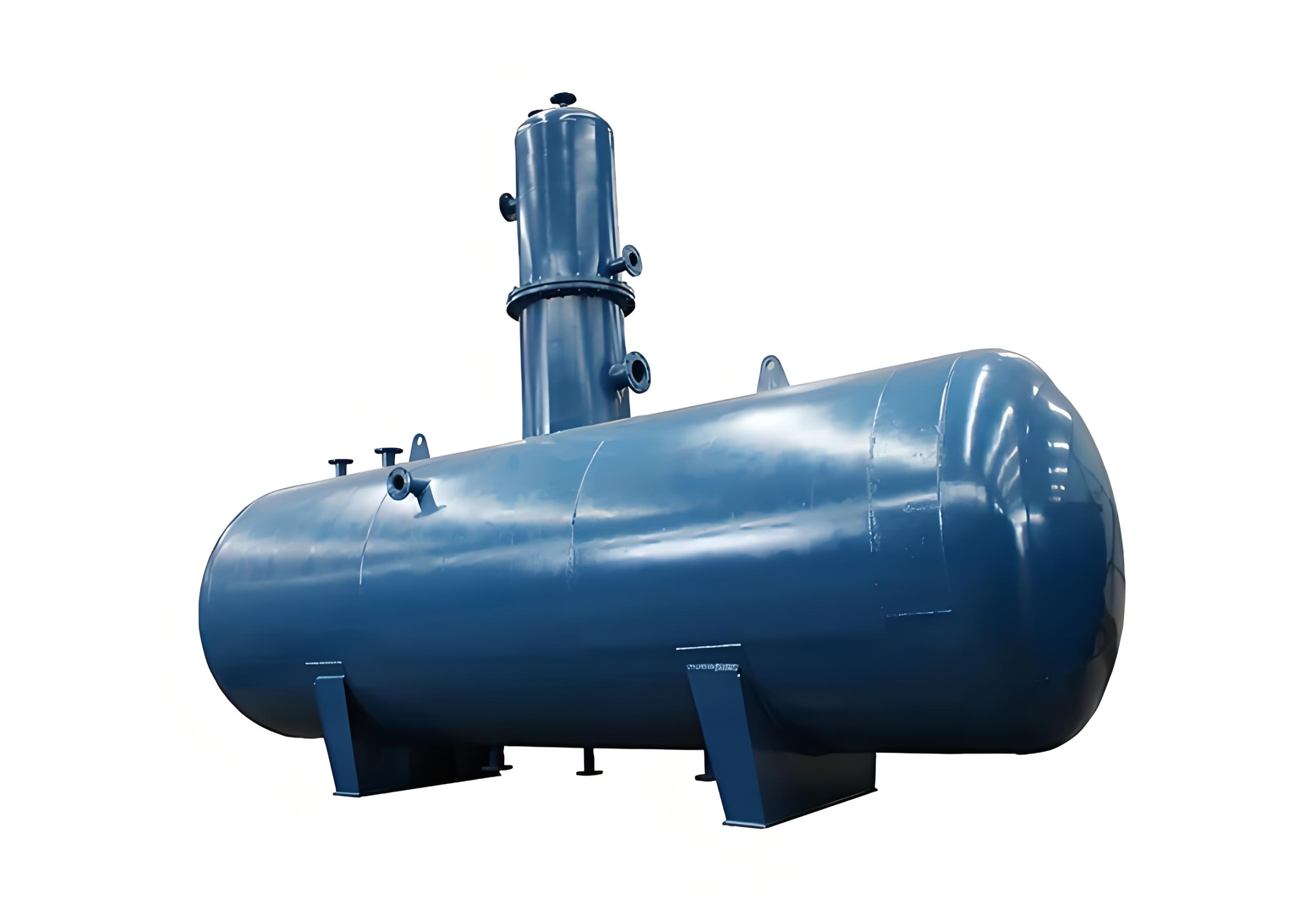
Sizing a coal fired steam boiler starts with a number most plants do not have: a real load profile. Boiler catalogues are written around steady rated output, while factories run on shifts, batch processes and seasonal heating. Getting the profile right is worth more than any efficiency claim in a proposal.
Build the load profile before opening a catalogue
Log steam flow at 15-minute intervals for at least two weeks, ideally across a full production cycle. Record the peak, the minimum, the average and the number of starts per day. A plant that averages 6 t/h but touches 11 t/h for 40 minutes each morning needs a different boiler from one that holds 8 t/h flat.
Add the domestic and heating load separately. In Henan, winter heating demand can add 20-35% to a process steam load between November and March, and that is easy to forget when the survey is done in June.
Meter quality matters as much as logging frequency. An orifice plate on a 200 mm header with a 3:1 turndown reads well at full flow and poorly at 25%; vortex and thermal mass meters hold accuracy to 10:1. If the existing meter is more than ten years old or was sized for a larger header, calibrate it or fit a temporary clamp-on ultrasonic meter for the survey fortnight.
Convert steam demand into boiler capacity
Rated capacity is stated in t/h of saturated steam at a defined pressure and feedwater temperature. If the plant needs 1.0 MPa saturated steam at 8.5 t/h average with 11 t/h peaks, the boiler must be rated above the peak, not above the average, unless an accumulator or a second unit covers the difference.
A quick check on fuel: coal at 20.9 MJ/kg and 80% efficiency delivers about 6.2 kg of steam per kg of coal at 1.25 MPa with 20°C feedwater. The same boiler at 105°C feedwater gives roughly 6.9 kg/kg, because less heat is spent on heating the water.
Superheated steam changes the calculation again. At 1.25 MPa and 350°C the steam enthalpy is about 3,150 kJ/kg against 2,785 kJ/kg saturated, so the same drum output carries about 13% more energy and demands 13% more fuel. Quote the steam condition at the superheater outlet, not at the drum.
| Item | Value | Note |
|---|---|---|
| Average process steam | 8.5 t/h | two-shift pattern |
| Peak steam | 11.0 t/h | 40 minutes each morning |
| Winter heating addition | 2.5 t/h | November to March |
| Design capacity | 12 t/h | peak plus 5% margin |
| Pressure | 1.25 MPa | saturated, 194°C |
| Feedwater temperature | 105°C | deaerator outlet |
| Coal consumption at rating | 1,520 kg/h | 20.9 MJ/kg, 81% |
Correct for feedwater, efficiency and site conditions
Three corrections are routinely skipped. Feedwater temperature: each 10°C of feedwater heating reduces fuel demand by about 1.2%. Boiler efficiency: use the guaranteed figure at the actual load, not the best-point figure. A chain grate boiler at 40% load may run 6 points below its rated efficiency. Altitude and air temperature: at 1,200 m the fan mass flow drops roughly 12% for the same volumetric rating, which caps output unless the fans are sized for site conditions.
Blowdown also counts. With 350 mg/L feedwater hardness and a 3,500 mg/L boiler water limit, continuous blowdown runs about 10% of steam output. That water is heated and then discarded, so the fuel calculation has to include it.
Decide redundancy and part-load behaviour
Two 8 t/h boilers cover a 12 t/h peak with one unit as standby and both running in winter. One 16 t/h boiler has lower capital cost but no standby and runs at 50% load in summer, where efficiency and excess air control are worse. For plants with a single critical process, standby capacity is usually cheaper than a production stoppage. XBOILER COMPANY has supplied both arrangements, and the deciding factor is almost always the cost of a lost batch rather than the boiler price.
Cycling cost deserves its own line. Below 40% load a grate-fired boiler loses efficiency quickly and needs more excess air to stay alight; a unit that cycles twice a day for eight months will burn more coal than a slightly larger unit held at steady load.
Write the fuel basis into the datasheet
- Coal: net calorific value 18-22 MJ/kg, ash 12-28%, moisture 8-12%, volatile matter 18-30%, ash fusion temperature above 1,250°C.
- Steam: capacity, pressure, temperature, feedwater temperature, blowdown rate.
- Site: altitude, ambient temperature range, seismic zone, available floor area and height.
- Emissions: particulate, SO2 and NOx limits the local authority will enforce at handover.
- Duty: hours per year, starts per day, minimum stable load.
With those five lines fixed, capacity selection becomes an arithmetic exercise instead of a negotiation. The mistakes that hurt later are almost never in the arithmetic; they are in the load profile that was never measured.