Dyeing and finishing is one of the few industries where steam pressure stability directly determines product quality. A batch that ramps two degrees too slowly, or loses pressure at the wrong moment, comes out a different shade and is either reprocessed or sold as second grade. Boiler selection for a textile plant therefore starts with the dyeing cycle, not with the number of machines on the floor.
What the plant actually runs on
| Equipment | Steam condition | Consumption |
|---|---|---|
| Jet dyeing machine, 500 kg batch | 6-10 bar(g) saturated | 1.2-2.0 t/h during heat-up |
| Beam dyeing machine | 6-8 bar(g) | 0.6-1.0 t/h |
| Atmospheric winch or jigger | 2-4 bar(g) | 0.2-0.4 t/h |
| Stenter frame, 8 chambers | 6-10 bar(g) or oil at 200-250 °C | 0.8-1.5 t/h |
| Calender and press | Thermal oil 220-280 °C | indirect |
| Continuous washing range | 3-6 bar(g), 60-95 °C water | 1.0-2.0 t/h |
| Printing and curing | 4-8 bar(g) or hot oil | 0.3-0.8 t/h |
Why pressure stability matters
Reactive dyes on cotton fix at 60 to 80 °C, while disperse dyes on polyester require 130 °C, which means about 2.7 bar(g) inside the vessel and 6 to 8 bar(g) at the boiler to allow for control valve drop and piping loss. A jet machine controller ramps at 1 to 2 °C per minute and holds within ±1 °C for 30 to 60 minutes. If header pressure sags when four machines heat up together, the ramp slows, the hold temperature falls short and shade reproducibility suffers. A boiler sized on average demand, with modest turndown, will do exactly that at the start of every shift, and the dyehouse will blame the dye supplier for months.
Sizing from simultaneous heat-up
The governing case is usually the morning start, when most machines begin heating within 20 minutes. A plant with 12 jet machines of 500 kg, each drawing 1.5 t/h during heat-up, has a theoretical 18 t/h peak. A realistic simultaneity factor of 0.55 to 0.65 gives 10 to 12 t/h, plus 15 percent margin, so 12 to 14 t/h of boiler capacity. Condensate recovery of 60 to 70 percent then cuts the feedwater heating duty and the fuel bill at the same time, and it is worth more than a marginally larger boiler.
Steam trapping and condensate
Dyeing machines heat and cool repeatedly, so traps see cyclic load and are a frequent source of loss. A failed-open trap passes live steam to drain; a failed-closed trap floods the jacket and slows the ramp. Fitting thermostatic traps with a strainer and a sight glass on each machine group, and checking them quarterly with an ultrasonic tester, typically recovers 3 to 6 percent of steam demand in an older dyehouse. Returning condensate at 90 °C rather than dumping it also cuts the deaerator steam demand, which is why trap maintenance pays twice.
Water, steam and fabric quality
Hardness and iron in steam cause spotting and dullness on dyed fabric, and copper or iron traces can shift shades in reactive dyeing. Feedwater hardness below 0.5 ppm and iron below 0.1 mg/L are sensible targets for a dyehouse, tighter than a general industrial plant would accept. Condensate returning from dye vessels can carry dye, alkali and salt, so it should be monitored for conductivity and dumped when contaminated rather than returned blindly to the boiler. A conductivity-triggered dump valve on the return main is a small item that prevents a large problem.
Fuel and system choice
Coal remains common in South Asian textile clusters where gas is unavailable or expensive. Gas is preferred where air quality rules are strict and where stenters need clean heat. Thermal oil heaters are often the better answer for stenters and calenders: they deliver 200 to 280 °C at low pressure, replace high-pressure steam piping with a simple circulating loop, and eliminate flash loss at the point of use. Many plants run a steam boiler for dyeing and a separate thermal oil heater for finishing, which also separates two very different load profiles.
- Size the steam boiler on simultaneous heat-up, not connected load
- Specify burner turndown of at least 5:1 for batch plants
- Provide 10 to 15 minutes of deaerator storage against sudden demand
- Plan condensate recovery and contamination detection from the first layout
- Keep thermal oil and steam systems separate where both are needed
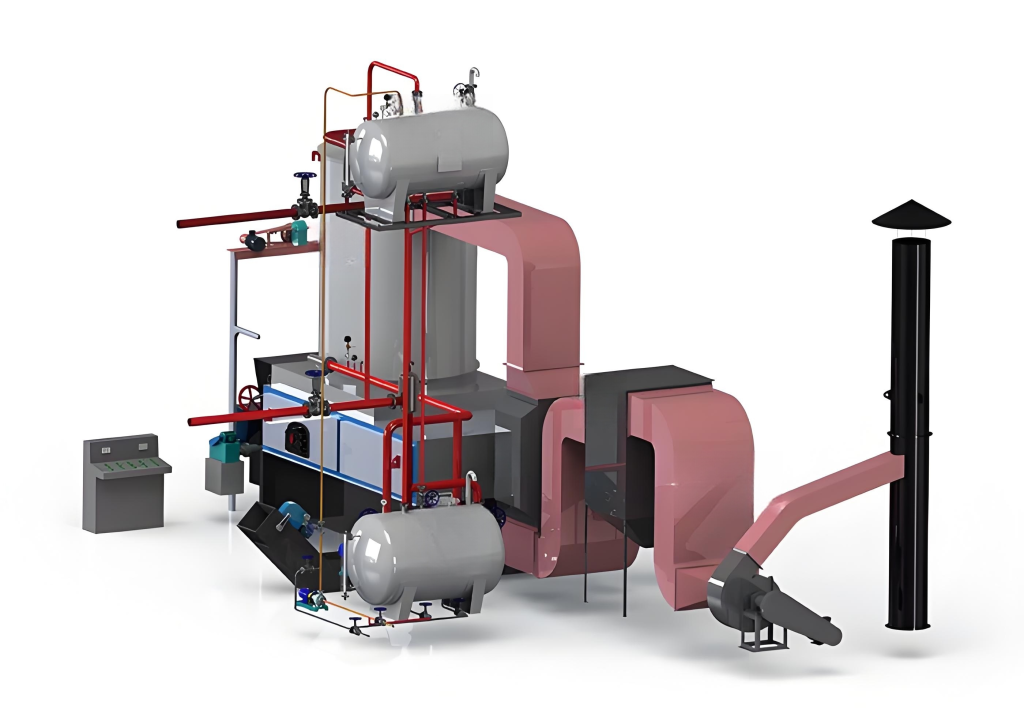
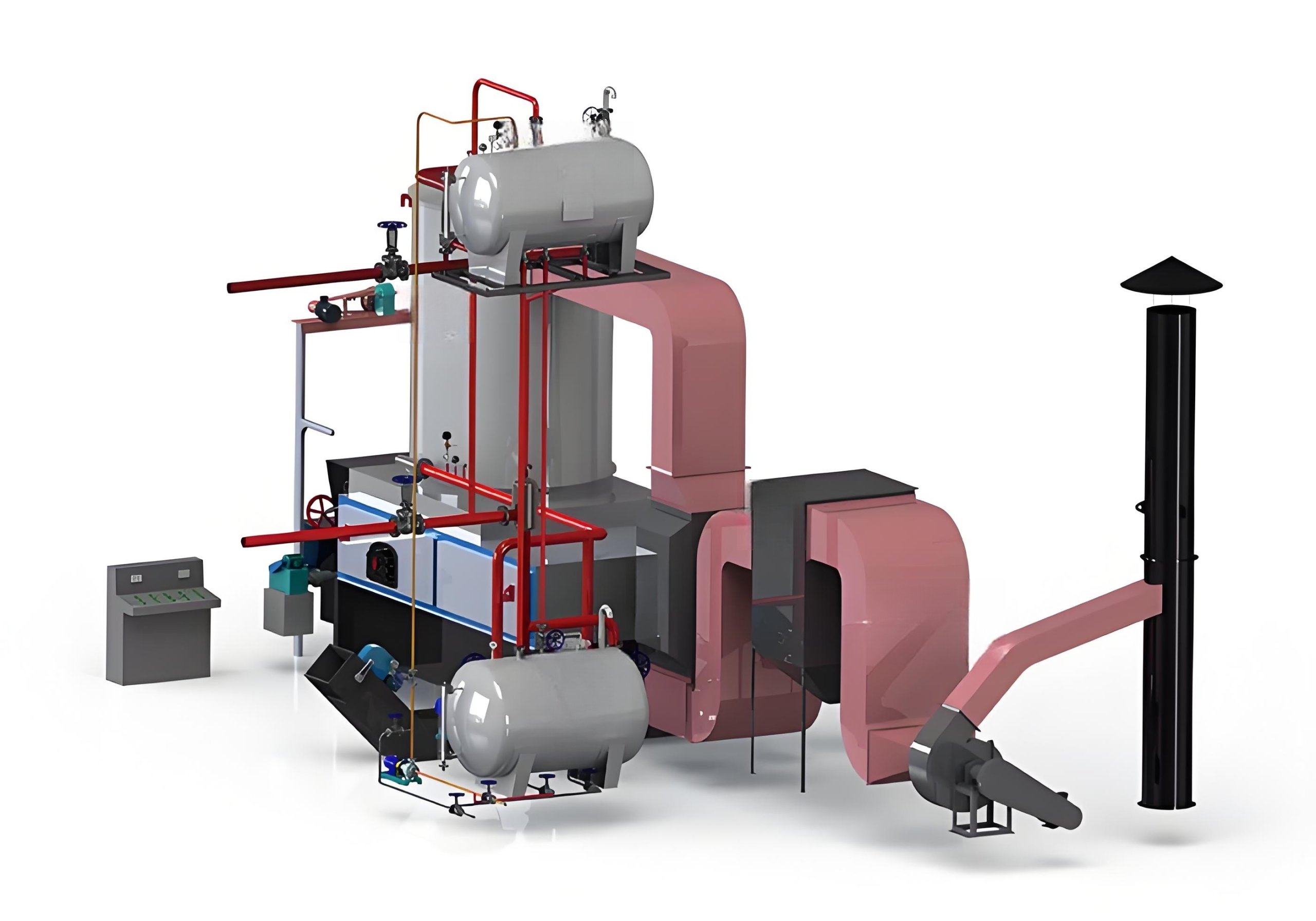
XBOILER COMPANY supplies coal, gas and dual-fuel steam boilers plus thermal oil heaters for dyeing and finishing plants. Our engineers typically ask for the machine list, batch size and shift pattern before quoting, since the peak is set by how many vessels heat at once rather than by installed capacity.