Handover is the moment when a coal boiler stops being a construction project and becomes an operating asset. Most failures in the first year trace back to checks skipped in the last two weeks before handover, not to design faults. The sequence below is the one our engineers use on site.
Before first firing: the cold checks
Pressure parts come first. Verify material certificates against the strength calculation, confirm the hydrostatic test at 1.25 times design pressure held for 20 minutes without pressure drop, and check that safety valves are set at 1.04 and 1.06 times working pressure for a drum boiler. Gauge glasses, pressure gauges and the low-water cutout must be proved by actually draining the float chamber, not by pressing a test button.
Then the mechanical items: chain or grate run for 8 hours empty at low speed, feeder and ash conveyor run, all dampers stroked from stop to stop, and fan rotation and current checked against the nameplate. Refractory needs a controlled cure, typically 24 hours at 100°C, 24 at 300°C and 24 at 600°C with a temporary heat source, before any coal is fed.
Air tightness deserves its own test. With the ID fan running and the furnace at 500 Pa negative, walk the casing with a smoke pencil; leaks at expansion joints and ash pit doors show as drawn-in smoke. A 5% leak at the furnace raises excess air, cuts output and hides behind the O2 reading.
First firing and drum heat-up
A cold drum must not be heated faster than about 1°C per minute at the wall, which means 4-6 hours from cold to 1.0 MPa. Watch the drum-to-header differential; 40 K is a warning and 50 K is a stop. Blow down the gauge glasses every hour during the first shift, because the water is dirty and the level indication lies.
Raise pressure in steps, hold at 0.3-0.4 MPa to check for leaks and to warm the superheater, then continue to working pressure. Set the safety valves under steam, with the boiler at full firing and the outlet closed, and record the pop and reseat pressures on the certificate.
Load and performance testing
| Test | Condition | Acceptance |
|---|---|---|
| Rated output | 100% load, 4 h continuous | steam flow and pressure at rating |
| Overload | 110% load, 1 h | no trip, fans within rated current |
| Minimum load | 30-40% load, 2 h | stable ignition, O2 controllable |
| Thermal efficiency | at rated load | within 1 point of guarantee |
| Particulate | at rated load | below local limit, 30 mg/Nm3 typical |
| SO2 and NOx | at rated load | per operating permit |
| Feedwater quality | continuous | hardness below 0.03 mmol/L |
The efficiency test should follow the heat loss method with flue gas analysis at three points: furnace exit, economiser inlet and economiser outlet. A boiler that passes the output test but shows 11% O2 has not been commissioned; it has been started.
Steam quality belongs in the same test. Sample at the superheater outlet and check sodium and silica against the process or turbine limit; carry-over from a dirty drum shows up as a rising sodium figure long before it shows as damage.
Controls, interlocks and the water side
- Prove every interlock by simulation: low water, high pressure, flame failure, fan failure, high stack temperature.
- Tune the O2 trim loop at 50%, 75% and 100% load and record the fan positions.
- Commission the water softener and dosing system, and test boiler water and condensate against GB/T 1576.
- Set the blowdown schedule and prove the continuous blowdown valve opens to its marked position.
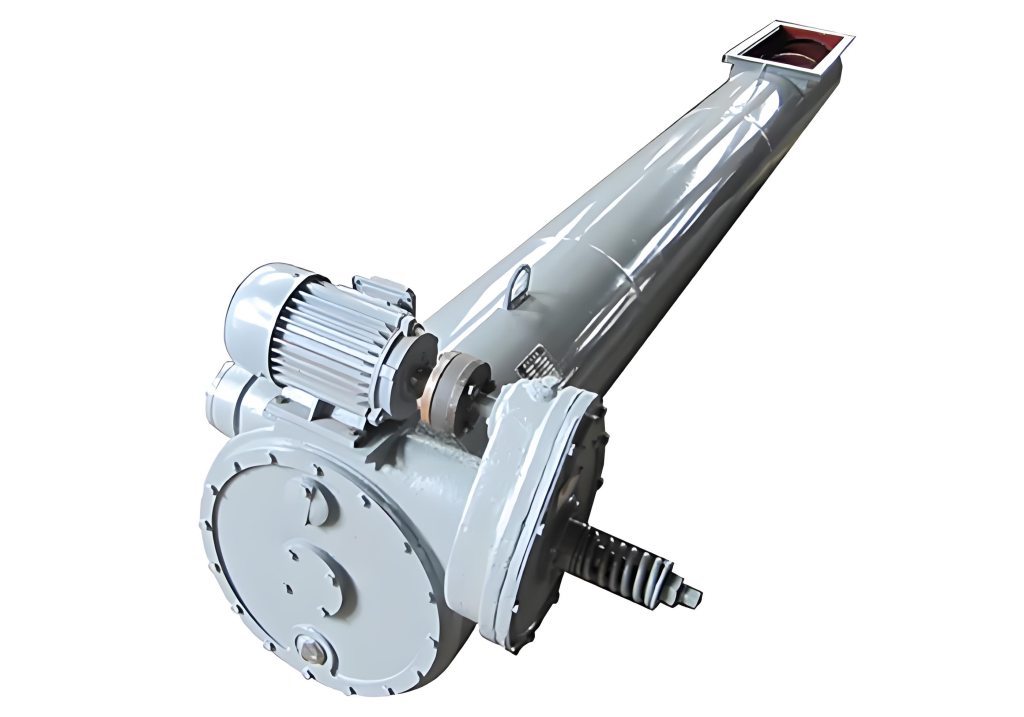
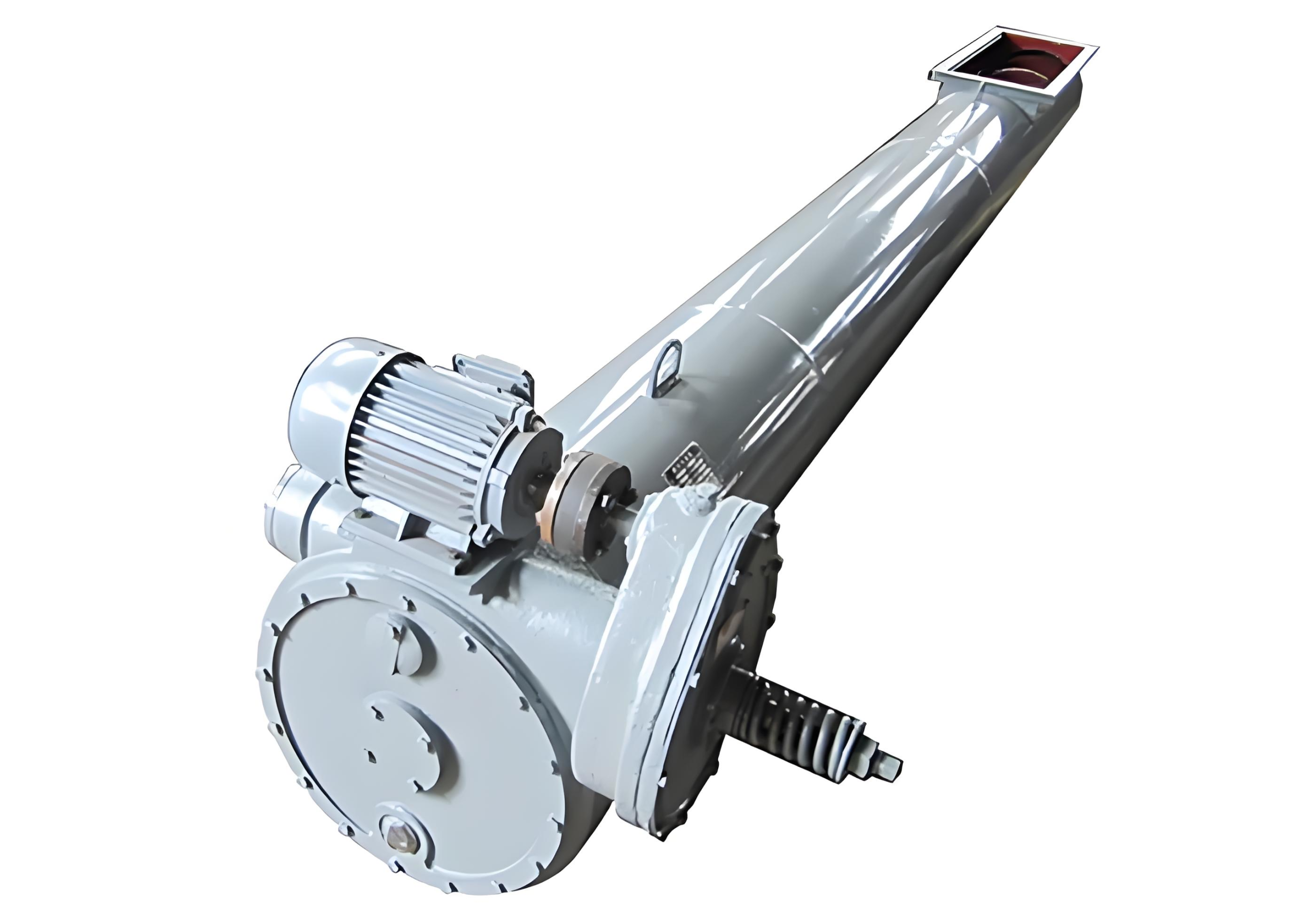
- Verify the ash handling sequence runs a full cycle without a jam.
Interlocks proved by jumping a terminal in the control cabinet are not proved. Each one should be triggered from the actual sensor wherever that is safe to do.
The document set to insist on
- Strength calculation and material certificates for the pressure parts.
- Welding records with non-destructive test reports for all butt welds.
- Hydrostatic test certificate and safety valve setting certificate.
- Installation supervision and inspection report from the local boiler authority.
- Thermal efficiency test report and emission test report from an accredited laboratory.
- As-built drawings, wiring diagrams and the operation and maintenance manual in the plant language.
Train the operators before the test, not after. Two shifts of hands-on running with the commissioning engineer present, covering cold start, ash jam, tube leak symptoms and emergency shutdown, do more for first-year reliability than any additional instrument.
XBOILER COMPANY supplies this document set with every boiler and does not release the final payment milestone until the emission test is signed. A handover that ends with a folder nobody opens is how the first winter’s problems begin.